


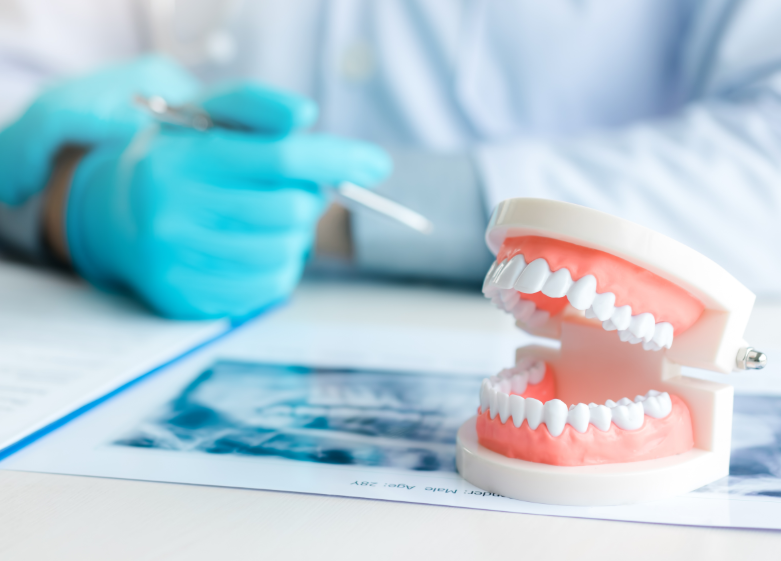
When you first receive dentures, it’s completely normal for your speech to feel a little different. Your tongue, lips, and cheeks have spent years adapting to your natural teeth, so introducing a new dental appliance can temporarily change the way certain sounds come out. Many patients notice slight lisping, extra saliva, or difficulty pronouncing words that involve “s,” “f,” or “th” sounds.
The encouraging part is that these changes are usually short-term. With consistent practice, your mouth quickly adapts and speaking begins to feel much more natural.
Why Speech Feels Different at First
Dentures change the shape and space inside your mouth, even if only slightly. This means your tongue has to relearn where to rest and how to move during speech. Upper dentures, in particular, can affect airflow and tongue placement, which may lead to temporary pronunciation changes.
It can also feel a bit strange emotionally at first. Many patients are very aware of their dentures while speaking, which can make them feel less confident. The good news is that both the physical and mental adjustment improve with time and repetition.
Practice Makes a Big Difference
One of the most effective ways to adjust to speaking with dentures is simple practice. Reading out loud at home is especially helpful because it allows you to hear how your voice sounds and make small adjustments without pressure.
Start with easy material like books, articles, or even your favorite TV script. Focus on slow, deliberate pronunciation, then gradually increase your speed as you become more comfortable. Repetition helps your tongue and facial muscles build new habits.
Helpful Tips for Clearer Speech
Small exercises can make a big difference in your adjustment period. Try exaggerating certain sounds when you speak, especially “s” and “f” words, to help retrain your tongue placement. Singing along to music or practicing tongue twisters can also improve clarity over time.
Staying hydrated is another simple but important tip. A moist mouth helps dentures feel more comfortable and allows your tongue to move more easily. If dryness is an issue, sipping water regularly throughout the day can help.
Managing Common Early Challenges
Some patients notice a slight clicking sound when speaking or feel like their dentures shift during conversation. These issues often improve as your muscles strengthen and you become more accustomed to the fit. If the problem continues, your dentist may need to make small adjustments to improve stability and comfort.
You might also find that certain foods or sticky textures affect how confidently you speak afterward. Paying attention to how different meals impact your fit can help you plan ahead for social situations.
Building Confidence Over Time
Confidence plays a big role in adjusting to dentures. It’s natural to feel self-conscious at first, but most people find that this fades quickly as speech improves. The more you talk, the faster your mouth adapts. Social conversations, phone calls, and even talking to yourself can all help speed up the process.
Before long, speaking with dentures becomes second nature again, and most people forget they’re even there. A little patience and daily practice can go a long way toward restoring clear, comfortable speech.
About the Practice
Dr. Natalie J. Ortiz and Dr. Ramon M. Ortiz at Painted Skies Dental ensure patients receive personalized denture care designed to restore both function and confidence. Our dental team focuses on creating well-fitting, natural-looking dentures and provides thorough guidance to help patients adjust comfortably during the transition period. With experience in restorative dentistry and patient education, we support individuals through every stage of denture treatment, from fitting to long-term maintenance and adjustment.
Call us at (575) 521-8720 or schedule your appointment online.